Getting into tactical gear can feel overwhelming. There are thousands of backpacks, flashlights, tools, medical kits, clothing systems, and accessories competing for your attention. It’s easy to spend hundreds of dollars on equipment you rarely use.
The best tactical gear for beginners isn’t the most expensive or most aggressive-looking equipment. It’s practical gear that solves common problems, works reliably, and fits your everyday routine.
Whether you’re building an everyday-carry setup, preparing for emergencies, spending time outdoors, or simply becoming more self-reliant, this guide will help you start with the essentials and avoid unnecessary purchases.
Beginner rule: Buy gear based on realistic needs first, then add specialized equipment as your skills and experience grow.
What Is Tactical Gear?
Tactical gear is equipment designed around durability, accessibility, organization, mobility, and practical performance.
The term can cover a wide range of products, including:
- Tactical backpacks
- Flashlights
- First-aid kits
- Multi-tools
- Outdoor clothing
- Gloves
- Hydration equipment
- Emergency radios
- Pouches and organizers
- Protective equipment
- Navigation tools
- Communication equipment
Not everything marketed as “tactical” is necessary.
For a beginner, the better approach is to think in terms of capabilities rather than labels.
Instead of asking, “What tactical gear should I buy?”
Ask:
- How will I carry water?
- How will I see in a power outage?
- How will I handle a minor injury?
- How will I charge my phone?
- How will I carry my equipment?
- How will I communicate if cellular service is unavailable?
- What will I need if I have to walk home?
- What equipment would actually help in my environment?
That shift in thinking prevents a lot of wasted money.
What Tactical Gear Should a Beginner Buy First?
A beginner should start with a durable backpack, reliable flashlight, basic first-aid kit, water bottle or hydration system, power bank, communication device, multitool, emergency food, weather-appropriate clothing, and basic navigation equipment.
For emergency preparedness, FEMA guidance emphasizes essentials such as water, nonperishable food, flashlights, extra batteries, first-aid supplies, communication equipment, sanitation supplies, and important personal items.
You don’t need to buy everything at once.
Start with the gear you’ll use regularly, learn how to use it, and expand your kit based on your actual needs.
1. A Good Tactical Backpack
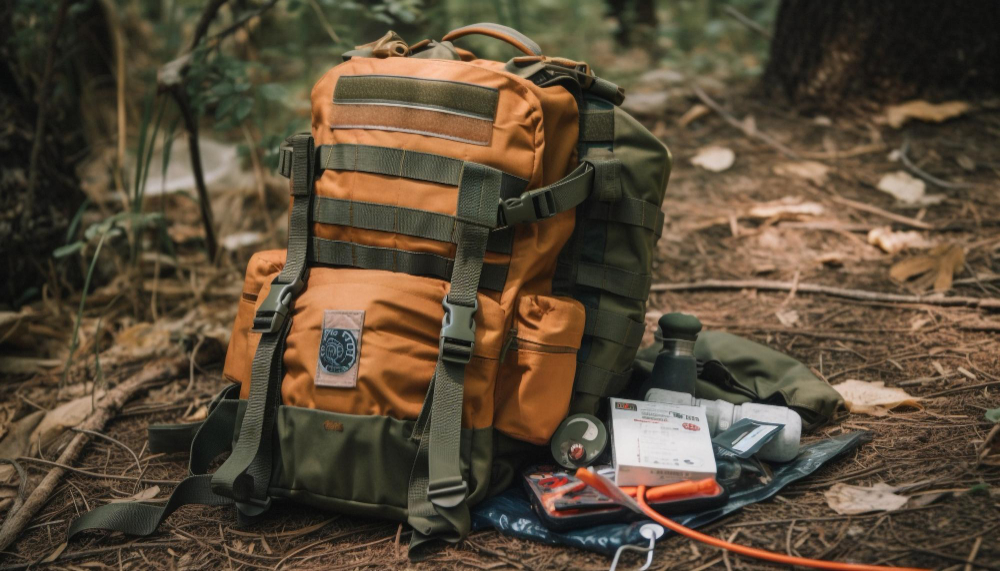
Your backpack is the foundation of a tactical or preparedness setup.
It gives you one place to organize and transport your equipment.
For beginners, a 20–30-liter backpack is often a practical starting point for everyday carry. If you need additional equipment for outdoor activities or emergency supplies, you can move toward a 30–40-liter pack.
Look for These Features
A good beginner tactical backpack should have:
- Durable fabric
- Comfortable shoulder straps
- Padded back panel
- Quality zippers
- Multiple compartments
- Water-resistant construction
- Laptop or electronics protection if needed
- External attachment points
- Strong stitching
- Compression straps
MOLLE/PALS webbing can be useful because it allows you to attach compatible pouches and accessories. But don’t choose a backpack simply because it has the most MOLLE.
More webbing doesn’t automatically mean a better backpack.
A clean, comfortable backpack that fits your equipment is usually better than an oversized tactical-looking bag you don’t enjoy carrying.
2. Reliable Flashlight
A flashlight is one of the simplest and most useful pieces of preparedness equipment you can own.
Your phone has a flashlight, but depending on your phone for your only light source isn’t ideal.
A dedicated flashlight can provide:
- Longer operating time
- Better ergonomics
- More reliable controls
- Greater durability
- Replaceable or rechargeable power
- Better visibility in dark environments
A flashlight is useful during:
- Power outages
- Nighttime travel
- Vehicle problems
- Outdoor activities
- Home emergencies
- Searching for items
- Walking in poorly lit areas
FEMA’s emergency-supply guidance specifically includes a flashlight and extra batteries among basic emergency supplies.
What Should Beginners Look For?
Don’t get obsessed with extreme brightness numbers.
Prioritize:
Reliability > battery life > usability > extreme output.
A compact flashlight that you know how to operate is more valuable than an ultra-powerful model that spends most of its life in a drawer.
Consider carrying spare batteries or keeping a charged backup light.
3. Basic First-Aid Kit
First aid is one area where practical knowledge matters more than buying the biggest kit.
A beginner should have a basic first-aid kit suitable for the situations they are likely to encounter.
Useful supplies can include:
- Adhesive bandages
- Sterile gauze
- Medical tape
- Antiseptic supplies
- Disposable gloves
- Tweezers
- Scissors
- Elastic bandage
- Burn-care supplies
- Personal medications
- Emergency contact information
Government emergency-preparedness guidance consistently recommends including first-aid supplies in emergency kits.
Don’t Just Buy a Kit
Learn how to use it.
A $100 medical kit doesn’t help much if you don’t know how to properly use the equipment inside.
Consider taking a recognized first-aid or CPR course. Training gives your gear context and helps you make better decisions during an emergency.
Gear supports skills. It doesn’t replace them.
4. Water and Hydration Equipment
Water should be near the top of every beginner’s preparedness priorities.
For everyday use, start with a durable reusable water bottle or hydration reservoir.
For emergency preparedness, think beyond the bottle.
You may want:
- Water storage containers
- Portable water filtration
- Water purification options
- Collapsible containers
- Electrolyte supplies where appropriate
FEMA’s emergency guidance recommends storing enough water for emergencies, with its standard guidance using one gallon per person per day for at least three days.
That recommendation is for emergency preparedness rather than something you need to physically carry in your everyday backpack.
This distinction matters.
Carry what is realistic. Store what is practical.
5. Portable Power Bank
Modern preparedness depends heavily on electronics.
Your smartphone can function as:
- A communication device
- Navigation tool
- Flashlight
- Information source
- Camera
- Emergency contact system
But none of that matters if the battery reaches zero.
A compact power bank is therefore one of the most practical beginner purchases.
Look for:
- USB-C support
- Adequate capacity
- Reliable charging
- Battery-level indicators
- Durable construction
- A size that fits your everyday bag
Don’t forget the charging cable.
A power bank without the correct cable is essentially dead weight.
Emergency preparedness guidance also recommends keeping phones, chargers, and backup batteries available.
6. Multi-Tool
A good multitool can replace several individual tools while taking up very little space.
Depending on local laws and your needs, common functions may include:
- Pliers
- Screwdrivers
- Wire cutters
- Scissors
- File
- Bottle opener
- Small tools for basic repairs
For a beginner, focus on useful functions rather than maximum features.
Ask yourself:
What tools have I actually needed during the past six months?
If you’ve repeatedly needed pliers, screwdrivers, or scissors, those functions make sense.
Don’t purchase a complicated tool simply because it has 30 functions you’ll never use.
Important: If a multitool includes a blade, make sure carrying and possessing it is legal where you live and where you plan to take it.
7. Emergency Radio
A radio may seem outdated in the smartphone era.
During an emergency, however, independent communication and information sources can become extremely valuable.
A battery-powered or hand-crank radio can provide access to emergency broadcasts when normal communication systems are disrupted.
FEMA includes battery-powered or hand-crank radios in its emergency supply recommendations.
Beginner Features to Consider
Look for:
- Battery operation
- Hand-crank charging
- Emergency alert capability where applicable
- USB charging
- Built-in flashlight
- Durable construction
You don’t necessarily need the most feature-packed radio.
Choose one you can operate without needing an internet connection or complicated instructions.
8. Whistle
A whistle is inexpensive, lightweight, and easy to carry.
It can be useful for attracting attention if you’re:
- Lost
- Injured
- Separated from your group
- Trapped somewhere
- Unable to communicate verbally over distance
FEMA’s emergency kit recommendations include a whistle as a signaling tool.
A whistle takes up almost no space, so it’s one of those simple pieces of equipment that makes sense for many preparedness kits.
9. Gloves
A good pair of work gloves can protect your hands during everyday tasks and emergencies.
They’re particularly useful for:
- Moving debris
- Outdoor work
- Handling rough materials
- Vehicle emergencies
- Home maintenance
- Cold-weather activities
Choose gloves based on the task.
For general preparedness, prioritize:
- Good fit
- Dexterity
- Grip
- Durability
- Appropriate weather protection
Don’t buy specialized gloves unless you have a specific use for them.
10. Weather-Appropriate Clothing
Clothing is often overlooked when people build tactical gear kits.
That’s a mistake.
Your clothing system should match your environment.
Depending on your climate and activities, consider:
- Moisture-managing base layers
- Durable pants
- Weather-resistant jacket
- Warm mid-layer
- Comfortable socks
- Sturdy footwear
- Hat
- Rain protection
For emergency preparedness, FEMA recommends considering extra clothing, sturdy shoes, and weather-appropriate supplies.
The most expensive tactical clothing isn’t automatically the best.
Comfort, fit, durability, and suitability for your environment matter more.
11. Navigation Gear
Your smartphone’s GPS is incredibly useful.
But beginners shouldn’t depend on one electronic device for everything.
Consider having:
- A physical map
- Compass
- Offline maps on your phone
- Backup power
A physical map can remain useful when batteries, cellular networks, or internet access aren’t available.
FEMA emergency-kit guidance also includes maps among recommended preparedness items.
Learn Before You Need It
Buying a compass doesn’t make you a navigator.
Practice reading maps and understanding basic directions before an emergency happens.
Again:
Skills turn equipment into capability.
12. Emergency Food
Emergency food doesn’t need to be complicated.
For short-term preparedness, focus on foods that are:
- Shelf-stable
- Easy to store
- Familiar
- Calorie-dense
- Easy to prepare or eat
- Appropriate for your dietary needs
Examples can include:
- Protein bars
- Crackers
- Canned foods
- Dried fruit
- Nuts
- Ready-to-eat meals
FEMA recommends keeping a supply of nonperishable food for emergencies.
For a backpack, don’t carry several days of food unless the mission requires it.
Instead, maintain larger emergency supplies at home and carry smaller quantities when appropriate.
13. Personal Hygiene Supplies
Preparedness isn’t only about tools.
Hygiene becomes especially important when normal services are disrupted.
Consider keeping:
- Hand sanitizer
- Wet wipes
- Toilet paper
- Soap
- Toothbrush
- Toothpaste
- Small towel
- Trash bags
- Personal hygiene products
Government emergency-preparedness checklists include sanitation and hygiene supplies as part of a basic emergency kit.
These items aren’t exciting.
They’re still important.
14. Cash and Important Documents
Technology doesn’t always work.
ATMs can become unavailable. Internet services can be disrupted. Your phone may lose power.
Keeping a small amount of emergency cash and copies of important documents can therefore be useful.
Consider securing copies of:
- Identification
- Insurance information
- Emergency contacts
- Important medical information
- Other critical records
Keep sensitive documents protected rather than carrying unnecessary originals in your everyday backpack.
FEMA guidance also recommends emergency cash and copies of important documents as part of preparedness planning.
15. Duct Tape and Basic Repair Supplies
You don’t need an entire workshop in your backpack.
A small amount of quality repair material can solve surprisingly common problems.
Depending on your needs, consider:
- Compact duct tape
- Zip ties
- Small cord
- Basic sewing supplies
- Small repair patches
These can help with temporary repairs to equipment, clothing, containers, or other everyday items.
The objective is not to prepare for every possible failure.
It’s to handle the common failures that could actually affect you.
Beginner Tactical Gear Setup by Budget
You don’t need to spend a fortune to get started.
Budget Beginner Setup
Start with:
- Basic durable backpack
- Reliable flashlight
- Basic first-aid kit
- Water bottle
- Power bank
- Whistle
- Small multitool where legally appropriate
- Basic emergency food
- Small hygiene kit
This gives you a practical foundation without turning your backpack into a heavy survival pack.
Mid-Range Setup
Add:
- Better backpack
- Higher-quality flashlight
- More comprehensive first-aid kit
- Water filtration capability
- Emergency radio
- Better power bank
- Navigation tools
- Weather-resistant clothing
- Organized pouches
Advanced Setup
Once you have experience, you can customize your system around specific scenarios such as:
- Hiking
- Vehicle preparedness
- Travel
- Natural disasters
- Extended outdoor activities
- Get-home preparedness
- Professional field work
At this point, your equipment should be based on experience and identified gaps, not a generic shopping list.
Tactical Gear vs. Survival Gear: What’s the Difference?
The terms are often used interchangeably, but they aren’t exactly the same.
Tactical Gear
Usually emphasizes:
- Durability
- Modularity
- Organization
- Mobility
- Accessibility
Examples include tactical backpacks, pouches, clothing, and equipment carriers.
Survival Gear
Usually emphasizes:
- Water
- Food
- Shelter
- Fire
- Navigation
- Medical care
- Emergency communication
A tactical backpack can carry survival equipment, but the backpack itself isn’t survival equipment.
Understanding this distinction helps beginners avoid buying a lot of tactical accessories without actually improving preparedness.
Do Beginners Really Need MOLLE?
No.
MOLLE is useful, but it isn’t essential.
MOLLE allows you to attach compatible pouches and accessories to a backpack or other equipment.
It’s particularly useful if your loadout changes frequently.
For example, you could configure your bag differently for:
- Work
- Hiking
- Travel
- Emergency preparedness
But if your needs are simple, internal compartments may be enough.
Don’t let tactical aesthetics determine your equipment choices.
What Tactical Gear Should Beginners Avoid?
One of the best ways to save money is learning what not to buy.
Avoid Buying Gear Just Because It Looks Tactical
Camouflage, MOLLE panels, aggressive designs, and military-inspired styling don’t automatically make equipment useful.
Avoid Cheap Critical Equipment
Your flashlight, backpack, medical supplies, and communication equipment shouldn’t be chosen purely by the lowest price.
Reliability matters.
Avoid Carrying Too Much
A 30-pound backpack may look prepared.
It may also make walking miserable.
Start light.
Test your setup.
Then adjust.
Avoid Specialized Equipment Before Learning the Basics
Before buying advanced equipment, learn:
- First aid
- Navigation
- Basic outdoor skills
- Emergency communication
- Fire safety
- Water safety
- Basic repairs
Equipment should complement your skills.
How to Build Your First Tactical Gear Kit
A simple progression works well.
Step 1: Identify Your Environment
Consider where you live and what you regularly do.
Urban commuting requires a different setup from hiking or rural outdoor activities.
Step 2: Identify Realistic Risks
Think about realistic problems:
- Power outage
- Severe weather
- Vehicle breakdown
- Getting stranded
- Minor injuries
- Communication disruption
- Extended commute
Don’t build your kit around unrealistic scenarios.
Step 3: Start With the Basics
Purchase only the equipment that addresses your most likely needs.
Step 4: Learn the Skills
Practice using everything.
Step 5: Test Your Backpack
Carry it during normal activities.
Pay attention to:
- Weight
- Comfort
- Organization
- Accessibility
- Missing equipment
Step 6: Improve Gradually
After several weeks, you’ll know what you actually use.
That’s when you should upgrade.
Beginner Tactical Gear Checklist
Use this as a simple starting point:
- Backpack: Durable 20–30L EDC pack
- Lighting: Reliable flashlight + spare power
- Medical: Basic first-aid kit
- Hydration: Reusable water bottle
- Power: USB-C power bank + charging cable
- Communication: Emergency radio where appropriate
- Navigation: Map + compass
- Tools: Compact multitool where legal
- Signaling: Whistle
- Protection: Appropriate work gloves
- Weather: Rain or cold-weather layer
- Food: Shelf-stable emergency snacks
- Hygiene: Compact personal hygiene kit
- Repair: Small duct tape/zip-tie kit
- Documents: Protected copies stored securely
- Cash: Small emergency reserve
FEMA’s basic emergency-supply recommendations provide a useful foundation, including water, food, lighting, first aid, communication, sanitation, maps, and other personal needs.
How to Maintain Your Tactical Gear
Buying gear is only the beginning.
Equipment sitting untouched for years can fail when you need it.
Check Your Gear Regularly
Inspect:
- Batteries
- Power banks
- First-aid supplies
- Food expiration dates
- Water-storage equipment
- Backpack stitching
- Zippers
- Straps
- Clothing
- Emergency documents
FEMA preparedness materials recommend regularly checking emergency supplies and replacing items as necessary.
Test Your Equipment
Turn on your flashlight.
Charge your power bank.
Check your radio.
Open your first-aid kit.
Wear your backpack.
Try your navigation equipment.
Don’t wait for an emergency to discover that your gear doesn’t work.
Frequently Asked Questions
What is the most important tactical gear for beginners?
A reliable backpack, flashlight, first-aid kit, water supply, power bank, and basic communication equipment are among the most practical starting points.
Your specific needs will determine what comes next.
How much should a beginner spend on tactical gear?
You don’t need to spend hundreds or thousands of dollars.
Start with a small group of reliable essentials and upgrade gradually.
Spending more makes sense when it improves durability, reliability, comfort, or functionality—not simply because a product has a tactical appearance.
Is tactical gear useful for everyday carry?
Yes, when chosen carefully.
A durable backpack, flashlight, power bank, first-aid kit, water bottle, and compact tools can all have legitimate everyday uses.
The key is avoiding unnecessary weight.
What size tactical backpack should a beginner get?
For general EDC, 20–30 liters is a good starting range.
Choose a smaller pack if you carry very little and a larger pack if your equipment requires it.
Do I need a tactical knife?
Not necessarily.
A knife is not an essential requirement for a beginner tactical setup. If you choose to carry a bladed tool, understand and follow the laws that apply to possession and carry in your location.
For many beginners, a non-bladed multitool can provide useful functionality without adding a dedicated knife to the kit.
Is expensive tactical gear better?
Not always.
Premium equipment can offer better materials, construction, warranties, and ergonomics, but price alone doesn’t guarantee quality.
Focus on reliability, fit, durability, and actual usefulness.
The Biggest Beginner Mistake: Buying Gear Before Building Skills
This deserves special attention.
It’s easy to believe that buying better equipment automatically makes you more prepared.
It doesn’t.
A person with a basic flashlight who knows how to navigate, administer first aid, conserve water, communicate during an emergency, and stay calm may be considerably more capable than someone with a $2,000 tactical loadout and no practical skills.
Your progression should look something like this:
Basic gear → Learn skills → Test equipment → Identify gaps → Upgrade strategically
Not:
Watch gear videos → Buy everything → Fill a huge backpack → Never practice
Preparedness is a system, not a shopping spree.
Final Thoughts: Start Simple and Build From Experience
The best tactical gear for beginners is practical, reliable, and appropriate for the situations you’re actually likely to face.
You don’t need a giant tactical backpack covered in pouches.
You don’t need dozens of specialized tools.
And you don’t need to spend a fortune.
Start with the fundamentals:
Carry. Light. Medical. Water. Power. Communication. Navigation. Clothing. Food.
Then learn how to use each item.
Official emergency-preparedness guidance consistently emphasizes basic necessities such as water, food, first aid, lighting, communication, sanitation, and personal needs rather than an oversized collection of specialized equipment.
Once you have those fundamentals covered, build around your lifestyle.
A commuter may need a discreet EDC backpack and power bank.
A hiker may prioritize water, navigation, shelter, and weather protection.
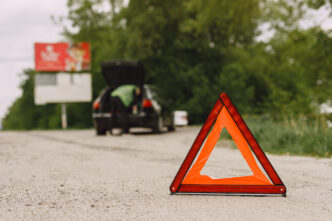
A vehicle owner may build a dedicated roadside emergency kit.
Someone preparing for power outages may prioritize lighting, communication, food, water, and backup power.
The best tactical gear isn’t the gear that looks the most impressive. It’s the gear you understand, maintain, carry comfortably, and can rely on when something goes wrong.
Start small. Practice often. Upgrade when experience tells you what you actually need.