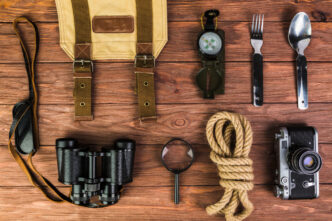
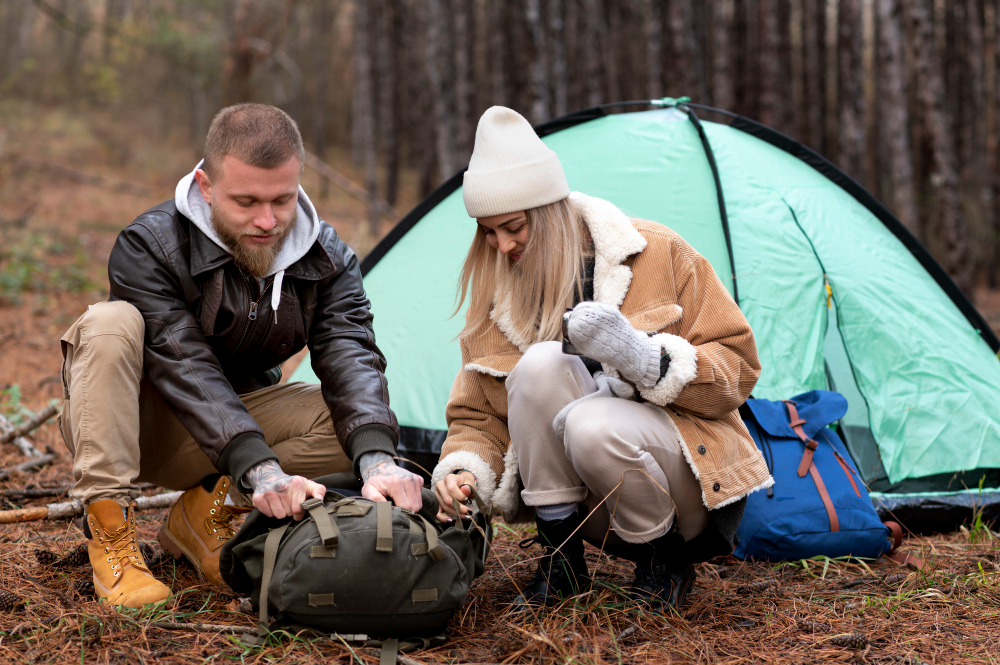
If you had to leave your home quickly because of a wildfire, flood, severe storm, earthquake, or other emergency, would you know what to grab? Knowing what to put in a bug out bag can make evacuation faster and less stressful.
A good bug out bag is not about packing every survival gadget you can find. It is about carrying the essentials you may need while traveling to a safer location or reaching an evacuation shelter.
The best bag balances water, food, shelter, first aid, communication, navigation, clothing, hygiene, important documents, and basic tools without becoming so heavy that it is difficult to carry.
This guide explains what belongs in a practical bug out bag, what you can leave behind, and how to customize your pack for your household and local risks.
[Insert Internal Link to 72 Hour Emergency Kit Checklist]
What Is a Bug Out Bag?
A bug out bag, often called a go bag or emergency evacuation bag, is a pre-packed backpack containing essential supplies that you can take with you if you need to evacuate quickly.
Unlike a large home emergency supply kit, a bug out bag is designed to be:
- Portable
- Quick to access
- Easy to carry
- Organized
- Adaptable to different emergencies
The contents should support your immediate needs rather than attempt to provide everything you own.
A bug out bag is also not necessarily the same thing as a 72-hour emergency kit. A 72-hour kit may include larger quantities of supplies for staying at home, while a bug out bag prioritizes mobility and evacuation.
What Should You Put in a Bug Out Bag?
A practical bug out bag should contain water, shelf-stable food, first-aid supplies, essential medications, a flashlight, backup batteries or power, communication equipment, basic shelter or weather protection, extra clothing, hygiene supplies, important documents, emergency cash, navigation tools, and a few versatile tools.
The exact contents depend on your location, climate, household size, transportation, medical needs, and likely emergency scenarios.
1. Choose the Right Backpack
Before buying supplies, choose the bag.
A good evacuation backpack should be:
- Comfortable
- Durable
- Weather-resistant
- Large enough for essentials
- Adjustable
- Easy to organize
- Appropriate for your body size and strength
A bag that is too large encourages overpacking.
A bag that is too small may force you to leave critical items behind.
Don’t Optimize for Appearance
Your bug out bag does not need to look like a military pack.
For most households, a comfortable hiking or travel backpack can work extremely well.
Prioritize:
Comfort → Durability → Organization → Weight → Capacity
Test the loaded backpack before an emergency.
Walk around with it and make adjustments if it causes discomfort.
2. Water and Hydration
Water should be one of your highest priorities.
Consider packing:
- Reusable water bottle
- Collapsible water container
- Water purification tablets
- Compact water filter
- Water purification equipment appropriate for your situation
Water is heavy, so carrying unlimited quantities may not be practical.
Your strategy should combine some carried water with a safe method of obtaining additional water when appropriate.
Remember that water treatment methods do not make every water source safe. Chemical contamination, fuel, industrial pollution, and other hazards may require avoiding the source entirely.
[Insert External Link to high authority water safety guidance]
3. Emergency Food
Choose foods that are:
- Lightweight
- Shelf-stable
- Calorie-dense
- Easy to eat
- Familiar
- Suitable for your dietary needs
Good choices may include:
- Energy bars
- Protein bars
- Nuts
- Trail mix
- Dried fruit
- Peanut or nut butter
- Crackers
- Ready-to-eat meals
- Shelf-stable snacks
Avoid packing foods that require extensive cooking unless you have a specific reason to do so.
You should also consider food allergies and dietary restrictions.
4. First-Aid Kit
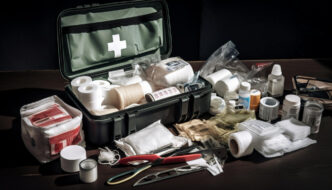
A compact first-aid kit belongs in almost every bug out bag.
Consider including:
- Adhesive bandages
- Sterile gauze
- Medical tape
- Antiseptic wipes
- Disposable gloves
- Small scissors
- Tweezers
- Elastic bandage
- Basic wound dressings
- Pain-relief medication you normally use
- Personal medications
Customize the kit based on your household.
For example, someone who frequently experiences allergies may have different requirements from someone who regularly participates in outdoor activities.
A first-aid kit is intended for basic care. Serious injuries require professional medical attention whenever available.
5. Prescription Medications
If someone in your household relies on prescription medication, make medication planning a priority.
Depending on your circumstances, your bag may contain:
- Essential medications
- Medication information
- Prescription details
- Medication list
- Spare glasses
- Required medical equipment
- Backup batteries for applicable devices
Keep medications stored according to their required conditions.
Do not assume every medication can safely remain inside a backpack exposed to heat.
6. Flashlight and Backup Lighting
A flashlight can be extremely useful during an evacuation.
Pack:
- Compact LED flashlight
- Headlamp
- Spare batteries
- Small backup light
A headlamp has an important advantage: it leaves your hands available for carrying supplies or navigating.
Avoid relying entirely on your phone’s flashlight.
Your phone battery may be needed for communication and emergency information.
7. Power Bank and Charging Equipment
Your smartphone may become one of your most useful emergency tools.
It can provide:
- Communication
- Maps
- Emergency alerts
- Weather information
- Contact information
- Digital documents
Pack:
- Power bank
- Phone charging cable
- Vehicle charger, if useful
- Appropriate adapters
Keep the power bank charged and periodically check its condition.
8. Emergency Communication
Communication equipment can become important when evacuation routes or local conditions change.
Consider:
- Battery-powered radio
- Hand-crank radio
- Whistle
- Printed emergency contacts
- Phone charger
- Backup communication equipment appropriate to your circumstances
A whistle is small and lightweight but can be useful for attracting attention if you become separated from others or need assistance.
9. Important Documents
You may need access to important information while away from home.
Consider keeping secure copies of:
- Identification
- Insurance information
- Emergency contacts
- Medical information
- Vehicle information
- Important property information
- Essential legal documents
Keep physical copies protected from moisture.
Avoid carrying unnecessary sensitive information.
For digital documents, use secure storage and appropriate account protection.
[Insert External Link to high authority emergency preparedness source]
10. Emergency Cash
Electronic payment systems may not always function normally during major emergencies.
Consider keeping some emergency cash in your bag.
Use smaller denominations where practical.
Store it in a secure, water-resistant location.
The appropriate amount depends on your household and circumstances.
11. Clothing
You do not need to pack a complete wardrobe.
Focus on lightweight items that provide useful protection.
Consider:
- Extra socks
- Underwear
- T-shirt
- Weather-appropriate layer
- Hat
- Lightweight gloves
- Rain protection
Extra socks deserve special attention.
Wet or uncomfortable feet can make walking significantly more difficult.
12. Emergency Blanket and Weather Protection
Weather can change quickly during an evacuation.
Consider packing:
- Emergency blanket
- Lightweight rain poncho
- Compact tarp
- Sleeping bag, if appropriate
- Ground sheet
Your climate should determine what you carry.
A lightweight emergency blanket may make sense in many environments, while colder regions may require more substantial insulation.
13. Hygiene Supplies
Personal hygiene becomes harder when normal facilities are unavailable.
A compact hygiene kit might include:
- Toothbrush
- Toothpaste
- Soap
- Hand sanitizer
- Wet wipes
- Toilet paper
- Tissues
- Menstrual products
- Small towel
- Garbage bags
Keep these supplies compact.
Travel-sized containers can significantly reduce weight and space.
14. Multi-Tool and Basic Tools
A few versatile tools can be useful.
Consider:
- Multi-tool
- Small pliers
- Screwdriver
- Duct tape
- Zip ties
- Cord
- Work gloves
Choose tools based on realistic needs.
Do not fill your backpack with heavy equipment simply because it might theoretically be useful.
15. Navigation Supplies
Do not make your phone your only navigation tool.
Consider packing:
- Local paper map
- Compass
- Printed evacuation routes
- Written addresses
- Emergency meeting-point information
Study the map before an emergency.
A navigation tool is much more useful when you already understand the area.
16. Face Masks and Protective Equipment
Depending on the emergency, basic protective equipment may be useful.
Consider:
- Disposable masks
- Work gloves
- Safety glasses
- Protective clothing
However, protection must match the hazard.
A basic mask should not be treated as protection against toxic chemicals, dangerous gases, or other specialized hazards.
Follow official emergency instructions for hazardous environments.
17. Personal Hygiene and Sanitation
If evacuation lasts longer than expected, sanitation can become an issue.
Consider adding:
- Small garbage bags
- Zip-top bags
- Toilet paper
- Hand sanitizer
- Wet wipes
- Disposable gloves
These items are inexpensive, lightweight, and useful in multiple situations.
18. Food and Water for Children
Children require additional planning.
Depending on their age, consider:
- Familiar snacks
- Formula
- Baby food
- Bottles
- Diapers
- Wipes
- Children’s medications
- Change of clothes
- Comfort item
A familiar toy, book, or small activity can also help reduce anxiety during a stressful evacuation.
19. Pet Supplies
If you have pets, don’t forget them when preparing your evacuation bag.
Consider:
- Pet food
- Collapsible bowl
- Water
- Leash
- Collar
- Waste bags
- Medications
- Vaccination records
- Carrier, when appropriate
- Recent photo
Before an emergency, identify pet-friendly shelters and evacuation destinations.
Never assume every emergency shelter will accept animals.
20. Cash, Keys, and Everyday Essentials
Some of the most important items are easy to overlook.
Create a small section in your bag for:
- House keys
- Vehicle keys
- Emergency cash
- Spare glasses
- Essential identification
- Contact information
- Small notebook
- Pen
If you have important physical keys that would be difficult to replace, consider how they should be handled during evacuation.
21. A Small Notebook and Pen
A notebook takes almost no space but can be surprisingly useful.
You can write down:
- Phone numbers
- Addresses
- Meeting locations
- Medication information
- Instructions
- Important notes
Do not depend exclusively on digital information.
22. What Not to Put in a Bug Out Bag
Knowing what not to pack is just as important.
Avoid filling your backpack with:
- Excessive clothing
- Heavy tools you don’t know how to use
- Too much canned food
- Duplicate equipment
- Unnecessary electronics
- Fragile items
- Large containers of liquid
- Items you have never tested
The goal is not to create the heaviest possible backpack.
The goal is to create a useful backpack you can actually carry.
Bug Out Bag Checklist
Use this checklist as a starting point.
Backpack
- Comfortable backpack
- Waterproof or water-resistant protection
- Internal organization
Water
- Water bottle
- Collapsible water container
- Water purification method
- Compact water filter, if appropriate
Food
- Energy bars
- Nuts or trail mix
- Dried fruit
- Ready-to-eat foods
- Special dietary foods
First Aid & Health
- First-aid kit
- Bandages
- Gauze
- Medical tape
- Antiseptic wipes
- Gloves
- Personal medications
- Medication information
- Spare glasses
Lighting & Power
- Flashlight
- Headlamp
- Spare batteries
- Power bank
- Charging cables
Communication
- Emergency radio
- Whistle
- Emergency contact list
- Phone charger
Shelter & Clothing
- Emergency blanket
- Rain poncho
- Extra socks
- Extra underwear
- Weather-appropriate clothing
- Hat
- Gloves
Hygiene
- Toothbrush
- Toothpaste
- Soap
- Hand sanitizer
- Wet wipes
- Toilet paper
- Personal hygiene products
- Garbage bags
Navigation
- Local map
- Compass
- Printed evacuation information
- Important addresses
Documents & Money
- Identification copies
- Insurance information
- Emergency contacts
- Medical information
- Emergency cash
Tools
- Multi-tool
- Duct tape
- Zip ties
- Cord
- Work gloves
Family & Pets
- Child-specific supplies
- Baby supplies
- Pet food
- Pet water container
- Leash
- Pet medications
- Pet records
How Heavy Should a Bug Out Bag Be?
There is no universal weight that works for everyone.
A backpack that is manageable for a healthy, experienced hiker may be too heavy for a child, older adult, or someone with limited mobility.
Instead of chasing a specific number, use a practical test:
Can you comfortably carry the fully loaded bag for a reasonable distance?
If the answer is no, reduce the contents.
Start by removing:
- Duplicates
- Heavy low-priority items
- Excess clothing
- Unnecessary gadgets
- Bulky packaging
Then reassess.
How to Organize Your Bug Out Bag
Organization can save valuable time.
Place frequently needed items where they are easy to access.
For example:
Top or exterior pockets:
- Flashlight
- Whistle
- Emergency contacts
- Hand sanitizer
Main compartment:
- Clothing
- Food
- Shelter items
Protected compartment:
- Documents
- Electronics
- Medication information
Small pouch:
- First aid
- Hygiene items
- Personal essentials
Use labeled pouches or bags to keep similar supplies together.
Customize Your Bag for Your Location
There is no single perfect bug out bag.
Someone living in an area prone to hurricanes may need different supplies from someone living in an earthquake-prone region.
Consider the emergencies most likely to affect your area:
- Flooding
- Wildfires
- Hurricanes
- Tornadoes
- Earthquakes
- Extreme heat
- Extreme cold
- Severe storms
- Extended power outages
Your local emergency management agency is a useful source for understanding regional hazards.
[Insert External Link to local emergency management authority]
Create a Family Evacuation Plan
A bug out bag works best when combined with an evacuation plan.
Decide in advance:
- Where your household will meet
- Where you will go if your home must be evacuated
- How you will communicate
- Which routes you may use
- What happens if family members become separated
- How pets will be transported
- Who will carry which supplies
Do not rely on a single evacuation route.
Road closures, flooding, fires, accidents, or traffic can change conditions quickly.
Keep Your Bug Out Bag Ready
Do not pack your bag once and forget about it.
Review it periodically.
Check:
- Food expiration dates
- Batteries
- Power-bank charge
- Clothing sizes
- Medication supplies
- Important documents
- Pet supplies
- Children’s needs
- Seasonal clothing
- Damaged equipment
A six-month review is a simple starting point.
Also update the bag whenever your household circumstances change.
Bug Out Bag vs. Emergency Kit
These terms are often confused.
Bug Out Bag
Designed primarily for leaving your home.
It should emphasize:
- Portability
- Lightweight supplies
- Navigation
- Communication
- Immediate survival needs
Home Emergency Kit
Designed primarily for staying at home.
It can contain:
- Larger water supplies
- More food
- More sanitation supplies
- Additional tools
- Larger first-aid supplies
- Backup power
- Household equipment
Ideally, households should consider having both.
Final Thoughts
Knowing what to put in a bug out bag is ultimately about prioritization.
Start with the fundamentals:
Water → Food → Medical → Light → Communication → Shelter → Clothing → Documents → Hygiene → Tools
Then customize your bag according to your household and local hazards.
Don’t try to build the perfect bag in one shopping trip. Start with the essentials, test the backpack, remove unnecessary weight, and improve it over time.
Most importantly, keep the bag accessible and ready to leave with you.
A well-organized bug out bag can reduce decision-making during a stressful evacuation and give you immediate access to supplies when normal services are disrupted.
Start today: choose a suitable backpack, gather your water, food, first-aid supplies, flashlight, power bank, medications, documents, and basic clothing. Then use the checklist above to fill the remaining gaps.
[Insert Internal Link to 72 Hour Emergency Kit Checklist]
[Insert Internal Link to Emergency Evacuation Planning Guide]