Emergencies rarely give you enough time to prepare. A severe storm, wildfire, flood, earthquake, extended power outage, or other disaster can disrupt electricity, water, transportation, communication, and access to stores with little warning. An emergency preparedness checklist gives you a practical way to prepare before those disruptions happen.
Good emergency preparedness is not about buying hundreds of survival products. It is about making sure your household can handle basic needs, communicate with one another, and evacuate safely if necessary.
This comprehensive checklist covers emergency supplies, water and food, first aid, medications, communication, power, documents, sanitation, evacuation, children, pets, and home safety.
What Is Emergency Preparedness?
Emergency preparedness is the process of planning and gathering resources before an emergency occurs.
It involves three major areas:
- Supplies — Having essential items available.
- Planning — Knowing what you will do during different emergencies.
- Practice — Making sure everyone in the household understands the plan.
A preparedness plan should account for both sheltering at home and leaving quickly.
Your local risks should also influence your preparation. A household in an area prone to flooding may need different supplies and evacuation plans than one in an earthquake or wildfire zone.
Emergency Preparedness Checklist: Quick Answer
What should be included in an emergency preparedness plan?
An emergency preparedness plan should include water, food, first-aid supplies, medications, flashlights, batteries, backup power, communication equipment, sanitation supplies, important documents, emergency cash, clothing, basic tools, emergency contacts, evacuation routes, family meeting locations, and supplies for children, older adults, people with disabilities, and pets when applicable.
The exact supplies should be customized to your household, climate, local hazards, and individual needs.
1. Build an Emergency Supply Kit
Start by creating a central emergency supply kit.
Your basic kit should include:
- Water
- Shelf-stable food
- First-aid supplies
- Flashlights
- Extra batteries
- Battery-powered or hand-crank radio
- Power banks
- Phone charging cables
- Basic hygiene supplies
- Important documents
- Emergency cash
- Basic tools
- Emergency blankets
- Extra clothing
Keep the kit somewhere household members can access it quickly.
2. Store Enough Water
Water is one of the most important emergency resources.
A commonly used preparedness guideline is at least one gallon of water per person per day for drinking and basic sanitation.
For three days, that works out to approximately:
| Household | Three-Day Water Supply |
|---|---|
| 1 person | 3 gallons |
| 2 people | 6 gallons |
| 3 people | 9 gallons |
| 4 people | 12 gallons |
| 5 people | 15 gallons |
These figures are starting points rather than universal requirements.
Water requirements can vary based on:
- Temperature
- Physical activity
- Age
- Health needs
- Pregnancy
- Sanitation requirements
Consider storing additional water if you have sufficient space.
Also consider having an appropriate water-treatment method for situations where authorities indicate that water treatment is suitable.
3. Prepare Emergency Food
Emergency food should be:
- Shelf-stable
- Easy to prepare
- Familiar
- Nutritionally useful
- Appropriate for household dietary needs
Consider storing:
- Canned vegetables
- Canned fruit
- Beans
- Canned meat or fish
- Peanut or nut butter
- Crackers
- Granola bars
- Protein bars
- Nuts
- Dried fruit
- Shelf-stable milk
- Ready-to-eat meals
Include a manual can opener if you store canned foods.
Don’t build your emergency food supply entirely around products that require electricity, refrigeration, or extensive cooking.
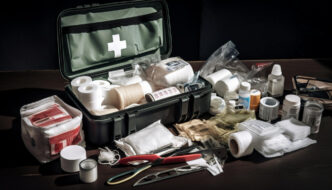
4. Create a First-Aid Kit
A first-aid kit can help you handle minor injuries when access to medical services is delayed.
Consider:
- Adhesive bandages
- Sterile gauze
- Medical tape
- Antiseptic wipes
- Disposable gloves
- Tweezers
- Scissors
- Elastic bandages
- Cold packs
- Thermometer
- Basic wound dressings
Customize the kit according to your household.
If someone uses prescription medication or medical equipment, make those supplies part of the emergency plan.
A first-aid kit is not a replacement for emergency medical care.
5. Plan for Prescription Medications
Medication planning is an important part of preparedness.
Keep an up-to-date list containing:
- Medication names
- Dosages
- Frequency
- Prescribing provider
- Pharmacy information
- Known allergies
Where appropriate and legally permitted, maintain an emergency supply of necessary medications based on your healthcare provider’s guidance.
Consider backup supplies for:
- Prescription glasses
- Contact lens equipment
- Medical devices
- Batteries
- Medical accessories
Check your supplies regularly.
6. Prepare for Power Outages
Power failures can affect lighting, heating, cooling, communication, refrigeration, transportation, and payment systems.
Your emergency power supplies can include:
- LED flashlights
- Headlamps
- Extra batteries
- Battery-powered lantern
- Power banks
- Phone charging cables
- Vehicle chargers
- Appropriate backup power equipment
Keep power banks charged.
Also learn how to safely operate any generator or alternative power equipment you own.
Never operate fuel-burning generators indoors, inside garages, or in other enclosed spaces. Carbon monoxide can accumulate to dangerous levels.
7. Prepare Emergency Lighting
Don’t assume your smartphone will always be available.
Keep multiple lighting options.
Recommended Items
- Flashlight
- Headlamp
- Extra batteries
- Battery-powered lantern
- Backup flashlight
Store at least one light somewhere that everyone knows about.
8. Prepare Communication Equipment
Communication may become difficult during a major disaster.
Consider:
- Battery-powered radio
- Hand-crank radio
- Fully charged power banks
- Charging cables
- Emergency contact list
- Whistle
- Written addresses
- Local emergency numbers
Write important information on paper rather than keeping it exclusively on your phone.
Decide how family members will communicate if cellular service becomes unreliable.
9. Create an Emergency Contact List
Your emergency contact list should include more than just immediate family.
Consider adding:
- Close relatives
- Friends
- Workplace contacts
- School contacts
- Doctors
- Insurance providers
- Utility companies
- Local emergency services
- Out-of-area family contact
An out-of-area contact can sometimes serve as a central communication point when local networks are congested.
Keep printed copies in your emergency kit.
10. Make a Family Emergency Plan
Every household should have a basic emergency plan.
Discuss:
- Where you will shelter
- Where you will evacuate
- How you will communicate
- Where you will meet
- Who collects children
- What happens if someone is away from home
- How pets will be transported
- What route you may use
Do not depend on everyone simply knowing what to do.
Write the plan down.
11. Identify Emergency Meeting Places
Choose at least two meeting locations.
Location 1: Near Your Home
This should be somewhere you can reach quickly if you cannot enter your house.
Location 2: Outside Your Immediate Neighborhood
Choose a location that can work if the surrounding area must be evacuated.
Make sure household members know the addresses.
12. Plan Your Evacuation Routes
Identify multiple ways to leave your area.
Consider:
- Primary evacuation route
- Alternate route
- Nearby shelters
- Fuel stations
- Hospitals
- Family or friends outside the affected area
Road conditions can change rapidly during emergencies.
Do not assume your normal route will remain available.
Keep a paper map as a backup.
13. Prepare an Emergency Go-Bag
Every household should consider having a lightweight bag that can be taken during a rapid evacuation.
A basic go-bag may contain:
- Water
- Snacks
- First aid
- Essential medications
- Flashlight
- Power bank
- Charging cable
- Emergency blanket
- Extra socks
- Hygiene supplies
- Copies of important documents
- Emergency cash
- Emergency contacts
14. Secure Important Documents
Important documents can become difficult to replace after a disaster.
Consider keeping secure copies of:
- Identification
- Insurance policies
- Medical information
- Property records
- Vehicle information
- Emergency contacts
- Important legal documents
Store physical copies in a water-resistant container.
For digital copies, use secure storage and appropriate account protection.
Avoid unnecessarily carrying highly sensitive information in your emergency bag.
15. Keep Emergency Cash
Electronic payment systems may not always function during a major outage.
Consider maintaining emergency cash in your preparedness supplies.
Smaller denominations can be useful when businesses are operating but electronic payment systems are unavailable.
Store cash securely.
16. Stock Sanitation Supplies
Sanitation can become difficult if water or sewage services are interrupted.
Include:
- Toilet paper
- Hand sanitizer
- Soap
- Wet wipes
- Garbage bags
- Paper towels
- Tissues
- Disposable gloves
- Feminine hygiene products
- Toothbrushes
- Toothpaste
Garbage bags are particularly versatile.
They can be used for waste, organization, moisture protection, and temporary containment.
17. Prepare for Clothing and Shelter
Emergency conditions may expose your household to uncomfortable temperatures.
Consider storing:
- Extra socks
- Extra underwear
- Weather-appropriate clothing
- Rain protection
- Blankets
- Emergency blankets
- Sleeping bags
- Sturdy footwear
Your shelter supplies should reflect your climate.
A cold-weather emergency requires very different preparation from an extreme-heat event.
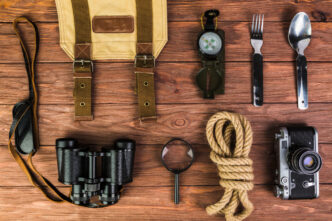
18. Stock Basic Tools
You don’t need a large workshop.
A few versatile tools can help with basic problems.
Consider:
- Multi-tool
- Pliers
- Screwdrivers
- Adjustable wrench
- Work gloves
- Duct tape
- Rope or cord
- Zip ties
- Basic repair materials
Only include equipment that household members understand how to use safely.
19. Prepare for Children
Children have specific emergency needs.
Depending on age, consider:
- Baby formula
- Bottles
- Diapers
- Wipes
- Children’s food
- Appropriate clothing
- Children’s medications
- Comfort items
- Small activities
- Important child-related documents
A familiar toy or comfort item can help reduce anxiety.
Remember to periodically update clothing and supplies as children grow.
20. Prepare for Pets
Pets should be included in your emergency planning.
Prepare:
- Pet food
- Water
- Bowls
- Leash
- Collar
- Carrier
- Waste bags
- Medications
- Vaccination records
- Recent photograph
Identify pet-friendly shelters or accommodation options in advance.
Do not assume every emergency shelter will accept animals.
21. Plan for Older Adults and Accessibility Needs
Emergency plans should account for anyone who may require additional assistance.
Consider:
- Mobility equipment
- Hearing assistance
- Vision-related supplies
- Communication aids
- Medical equipment
- Backup batteries
- Specialized food
- Caregiver information
The most important question is:
What would this person need if normal services were unavailable for several days?
Build the answer into your emergency plan.
22. Protect Your Home
Preparedness isn’t limited to supplies.
Consider basic home safety measures.
Review:
- Smoke alarms
- Carbon monoxide alarms
- Fire extinguishers
- Electrical systems
- Emergency exits
- Water shutoff
- Gas shutoff
- Structural hazards
- Outdoor hazards
Make sure household members know where emergency shutoffs are located and understand when and how they should be used.
23. Learn Basic Emergency Skills
Equipment is useful, but knowledge is even more valuable.
Consider learning:
- Basic first aid
- CPR
- Fire extinguisher use
- Emergency communication procedures
- Evacuation procedures
- Basic navigation
- Safe food and water practices
Training should come from qualified organizations or local authorities.
24. Prepare for Different Types of Emergencies
Don’t create a plan for only one disaster.
Think about the hazards relevant to your area.
Severe Weather
Prepare for:
- Power outages
- Property damage
- Flooding
- Communication disruptions
Wildfire
Consider:
- Evacuation routes
- Go-bag readiness
- Air-quality concerns
- Vehicle fuel
- Pet evacuation
Flooding
Consider:
- Evacuation plans
- Water contamination
- Waterproof document storage
- Avoiding unsafe floodwater
Earthquake
Consider:
- Falling objects
- Structural damage
- Utility disruption
- Aftershocks
Extreme Heat or Cold
Consider:
- Temperature control
- Water
- Appropriate clothing
- Backup power
- Locations where you can safely shelter
Your emergency plan should reflect your actual local risks.
25. Use an Emergency Preparedness Checklist
Here is a comprehensive checklist you can use to audit your household.
Water
- Drinking water
- Water storage containers
- Water treatment supplies
- Reusable bottles
Food
- Shelf-stable food
- Canned food
- Ready-to-eat meals
- Snacks
- Manual can opener
- Special dietary foods
Medical
- First-aid kit
- Prescription medications
- Medication list
- Basic over-the-counter medicines
- Spare glasses
- Medical equipment
- Backup batteries
Lighting
- Flashlights
- Headlamps
- Extra batteries
- Lantern
Communication
- Emergency radio
- Power banks
- Charging cables
- Emergency contact list
- Whistle
Documents & Money
- Identification copies
- Insurance information
- Medical information
- Important legal documents
- Emergency cash
Hygiene
- Toilet paper
- Soap
- Hand sanitizer
- Wet wipes
- Toothbrushes
- Toothpaste
- Personal hygiene supplies
- Garbage bags
Clothing & Shelter
- Extra socks
- Extra clothing
- Sturdy footwear
- Emergency blankets
- Rain protection
- Sleeping bags
Tools
- Multi-tool
- Pliers
- Screwdrivers
- Adjustable wrench
- Duct tape
- Rope or cord
- Work gloves
- Zip ties
Family
- Emergency contact list
- Meeting locations
- Evacuation routes
- Child supplies
- Special-needs supplies
Pets
- Pet food
- Water
- Bowls
- Leash
- Carrier
- Medications
- Veterinary records
26. Check Your Emergency Supplies Regularly
Building an emergency kit once is not enough.
Supplies can expire, batteries can lose charge, children can outgrow clothing, and household needs can change.
Review your supplies periodically.
Check:
- Food expiration dates
- Water containers
- Batteries
- Power banks
- Medications
- Clothing
- Important documents
- Pet food
- Children’s supplies
- Contact information
A six-month review is a practical starting point for many households.
27. Avoid These Common Preparedness Mistakes
Mistake 1: Buying Everything at Once
Preparedness doesn’t need to be expensive.
Build your supplies gradually.
Start with:
Water → Food → Medical → Light → Communication
Then expand.
Mistake 2: Ignoring Evacuation
Emergency preparedness isn’t just about staying home.
Know when you may need to leave and where you would go.
Mistake 3: Depending Completely on Your Phone
Your phone is useful, but batteries, networks, and internet connections can fail.
Keep paper backups of essential information.
Mistake 4: Forgetting Household-Specific Needs
A generic kit may not work for every family.
Consider individual medical, dietary, mobility, communication, and pet needs.
Mistake 5: Never Testing the Plan
A plan that exists only on paper may fail under stress.
Practice evacuation routes and make sure everyone knows the meeting locations.
28. A Simple Emergency Preparedness Priority System
If you are starting from scratch, don’t get overwhelmed.
Use this five-stage approach.
Stage 1: Basic Survival
Prepare:
- Water
- Food
- First aid
- Lighting
Stage 2: Communication
Add:
- Radio
- Power bank
- Chargers
- Emergency contacts
Stage 3: Evacuation
Prepare:
- Go-bag
- Documents
- Cash
- Maps
- Evacuation routes
Stage 4: Household Needs
Add:
- Children’s supplies
- Pet supplies
- Medical equipment
- Hygiene supplies
- Seasonal clothing
Stage 5: Skills and Practice
Learn:
- First aid
- CPR
- Fire safety
- Emergency communication
- Evacuation procedures
Then practice your plan.
Final Thoughts
Emergency preparedness is less about predicting the future and more about reducing the impact of unexpected events.
Start with the basics: water, food, first aid, medications, lighting, communication, sanitation, shelter, and important documents. Then build a family emergency plan around your household’s specific needs and the hazards most relevant to your location.
Don’t wait until a disaster warning appears to discover that your flashlight has dead batteries or that nobody knows where the emergency documents are stored.
Use this emergency preparedness checklist as a living document. Review it regularly, replace expired supplies, update your contacts, and practice your evacuation plan.
Your next step: choose one area of preparedness today—water, food, medical supplies, communication, or evacuation—and complete it. Small improvements made before an emergency can make a major difference when normal services are disrupted.