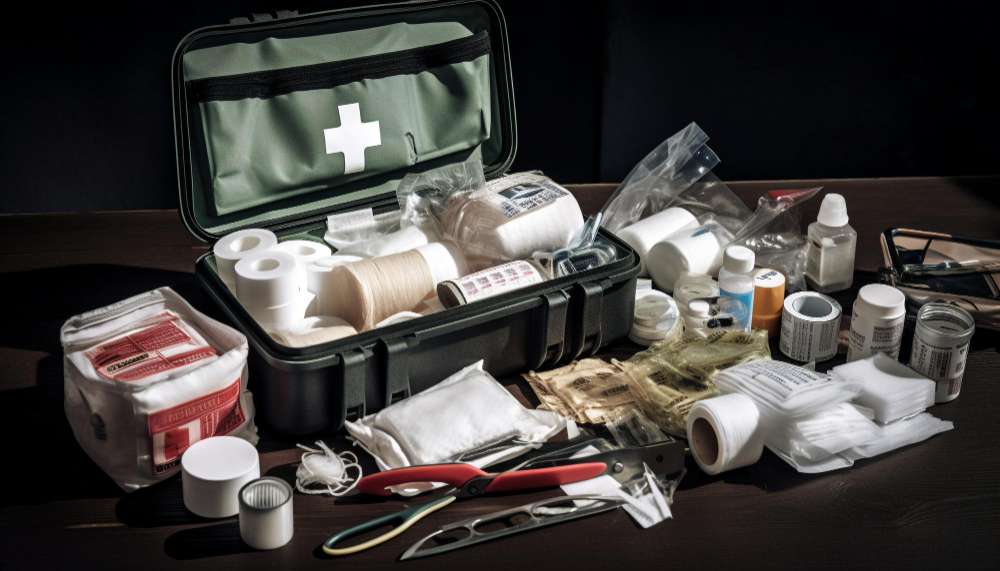
When a major emergency happens, the first 72 hours can be the most difficult. Power may be unavailable, stores may be closed, roads may be blocked, and emergency services may be overwhelmed. A well-prepared 72 hour emergency kit checklist helps you organize the essential supplies your household may need until normal services return or you can reach a safer location.
The good news is that you do not need an expensive survival bunker or dozens of specialized gadgets. A practical emergency kit focuses on the basics: water, food, first aid, lighting, communication, sanitation, important documents, and basic tools.
This guide walks you through exactly what to include, how much to prepare, how to organize your supplies, and which commonly overlooked items can make a significant difference.
What Is a 72-Hour Emergency Kit?
A 72-hour emergency kit is a collection of essential supplies designed to help an individual or household manage for approximately three days during an emergency.
The idea is simple: prepare enough basic resources to remain reasonably self-sufficient while waiting for assistance, services to return, or evacuation to become possible.
A basic kit should address these needs:
- Water
- Food
- First aid
- Medications and health supplies
- Lighting
- Communication
- Sanitation
- Warmth and clothing
- Basic tools
- Important documents
- Emergency cash
- Special needs
- Pet supplies, when applicable
Your kit should complement—not replace—an emergency plan.
72 Hour Emergency Kit Checklist: Quick Answer
What should be in a 72-hour emergency kit?
At minimum, prepare water, shelf-stable food, first-aid supplies, necessary medications, flashlights, extra batteries, a battery-powered or hand-crank radio, phone charging equipment, sanitation supplies, warm clothing or blankets, basic tools, copies of important documents, emergency cash, and supplies specific to household members.
The exact contents should depend on your household size, climate, medical needs, transportation situation, and the types of emergencies common in your area.
1. Water: Your First Priority
Water should be one of the first things you add to your emergency kit.
A commonly used preparedness guideline is to store at least one gallon of water per person per day for drinking and basic sanitation needs. For three days, that means approximately:
- 1 person: 3 gallons
- 2 people: 6 gallons
- 3 people: 9 gallons
- 4 people: 12 gallons
- 5 people: 15 gallons
Remember that water needs can increase in hot weather, during illness, pregnancy, physical activity, or other circumstances.
Consider storing:
- Bottled or commercially packaged water
- Portable water containers
- Water purification tablets
- A portable water filter
- Collapsible water containers
- Cups or reusable bottles
Keep stored water in a cool location away from direct sunlight.
If you live in an area where extreme heat, flooding, hurricanes, wildfires, earthquakes, or infrastructure failures are possible, consider keeping additional water beyond your basic 72-hour supply.
2. Emergency Food
Food should be non-perishable, easy to prepare, and familiar.
You may not have access to electricity, refrigeration, or normal cooking facilities during an emergency.
Good options include:
- Canned vegetables
- Canned fruit
- Canned beans
- Canned fish or meat
- Peanut or other nut butter
- Crackers
- Granola or protein bars
- Dried fruit
- Nuts and seeds
- Shelf-stable milk
- Ready-to-eat meals
- Dry cereal
- Energy bars
Choose foods that your household already eats when possible.
Don’t Forget a Manual Can Opener
This is one of the easiest emergency supplies to overlook.
If your food requires cans to be opened, include a manual can opener even if you normally use an electric model.
Also consider:
- Disposable utensils
- Plates
- Cups
- Napkins
- Reusable containers
- Food storage bags
Avoid building your entire food supply around items that require cooking if you may lose access to electricity or gas.
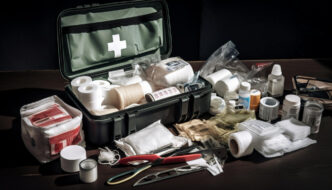
3. First Aid Supplies
A first-aid kit can help with minor injuries when medical care is delayed or difficult to access.
Consider including:
- Adhesive bandages
- Sterile gauze
- Medical tape
- Antiseptic wipes
- Disposable gloves
- Tweezers
- Scissors
- Cold packs
- Thermometer
- Elastic bandages
- Wound dressings
- Basic first-aid instructions
Your household may also need specialized medical supplies.
For prescription medications, prepare an appropriate emergency supply according to your healthcare provider’s advice and applicable prescription rules.
Do not use your emergency kit as a substitute for professional medical care. Serious injuries, breathing difficulties, severe bleeding, chest pain, poisoning, and other medical emergencies require appropriate emergency assistance.
4. Prescription Medications and Health Supplies
Emergency planning becomes particularly important when someone depends on regular medication or medical equipment.
Your household emergency supplies may include:
- Prescription medications
- Over-the-counter medications you normally use
- Prescription information
- Medication list
- Spare glasses
- Contact lens supplies, if appropriate
- Medical devices and accessories
- Copies of relevant medical information
Check expiration dates regularly.
A medication list should ideally include:
- Medication name
- Dosage
- Frequency
- Prescribing provider
- Pharmacy information
- Relevant allergies
Store sensitive medications according to their required conditions. Some medicines may require refrigeration, so your emergency plan should account for potential power outages.
5. Flashlights and Emergency Lighting
A power outage can turn a normal home into a difficult environment very quickly.
Keep multiple light sources available.
Add These to Your Checklist:
- LED flashlight
- Headlamp
- Extra batteries
- Battery-powered lantern
- Glow sticks
- Small reading light
A headlamp can be especially useful because it allows you to keep both hands free.
Keep at least one flashlight somewhere that is easy to reach in complete darkness.
Avoid relying entirely on candles because open flames can create a fire hazard, particularly when emergency conditions are already unpredictable.
6. Emergency Communication Equipment
Communication can become critical when conventional services are disrupted.
Consider adding:
- Battery-powered radio
- Hand-crank radio
- Battery bank
- Phone charging cables
- Vehicle phone charger
- Portable solar charger
- Whistle
- Written emergency contact information
Do not rely solely on your smartphone.
Your phone battery may eventually run out, cellular networks may experience disruptions, or internet access may become unavailable.
Write down important telephone numbers and addresses on paper.
7. Power Banks and Backup Power
Modern households often depend on electronic devices for communication, navigation, work, medical information, and emergency alerts.
Include:
- Fully charged power bank
- Charging cables
- Wall charger
- Car charger
- Spare batteries
- Appropriate adapters
Recharge power banks periodically.
A backup battery that has been sitting unused for years may not provide the capacity you expect when an emergency actually occurs.
8. Warmth and Emergency Clothing
Your emergency kit should reflect your local climate.
Depending on the season and environment, consider:
- Extra socks
- Comfortable clothing
- Weather-resistant outer layer
- Hat
- Gloves
- Emergency blankets
- Sleeping bags
- Sturdy shoes
- Rain protection
If evacuation is possible, keep practical footwear accessible.
For cold climates, warmth becomes much more important. For hot climates, prioritize hydration, shade, ventilation, and appropriate clothing.
9. Personal Hygiene and Sanitation Supplies
Sanitation is often overlooked when preparing emergency supplies.
Include:
- Toilet paper
- Hand sanitizer
- Soap
- Wet wipes
- Toothbrushes
- Toothpaste
- Feminine hygiene products
- Garbage bags
- Disposable gloves
- Paper towels
- Tissues
- Basic cleaning supplies
- Personal hygiene products
Garbage bags have many potential uses beyond waste disposal. They can help contain contaminated materials, organize supplies, or protect items from moisture.
10. Basic Emergency Tools
A few versatile tools can be extremely useful.
Consider:
- Multi-tool
- Adjustable wrench
- Pliers
- Screwdrivers
- Work gloves
- Duct tape
- Rope or cord
- Utility knife
- Zip ties
- Plastic sheeting
- Safety goggles
- Basic repair supplies
Choose tools that you know how to use.
An emergency kit is not the place to experiment with unfamiliar equipment for the first time.
11. Important Documents
Consider keeping secure copies of essential documents.
Examples include:
- Identification documents
- Insurance information
- Emergency contact list
- Medical information
- Property information
- Banking information
- Vehicle information
- Copies of important legal documents
Protect physical copies in a water-resistant container.
For digital backups, use secure storage and strong account security. Do not carry unnecessary sensitive information in an easily accessible format.
12. Emergency Cash
During a power or communications outage, electronic payment systems may not work normally.
Consider keeping a modest amount of emergency cash in your preparedness supplies.
Use a mixture of denominations rather than relying exclusively on large bills.
Store cash securely and privately.
The amount you need depends on your household and circumstances.
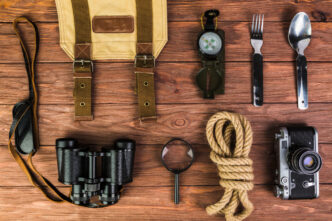
13. Navigation Supplies
GPS is convenient, but electronic navigation may not always be available.
Consider keeping:
- Local paper map
- Compass
- Printed addresses
- Emergency meeting-point information
- Written directions for important destinations
Make sure household members know where these items are stored.
14. Masks and Protective Equipment
Depending on the emergency, basic protective equipment may be useful.
Consider:
- Disposable masks
- Work gloves
- Safety glasses
- Protective clothing
The appropriate protection depends heavily on the hazard.
For example, wildfire smoke, flooding, chemical releases, structural damage, and infectious disease outbreaks create very different risks.
Never assume that a basic household mask provides protection against every hazardous substance.
15. Supplies for Children
Children have needs that standard emergency kits may not cover.
If applicable, add:
- Baby food
- Formula
- Bottles
- Diapers
- Wipes
- Children’s medications
- Comfort items
- Appropriate clothing
- Snacks
- Small activities or books
A familiar toy, blanket, or activity can also help reduce stress during a frightening event.
16. Pet Emergency Supplies
Your pets need their own emergency supplies.
Consider:
- Pet food
- Water
- Food and water bowls
- Leash
- Collar
- Carrier
- Waste bags
- Medications
- Vaccination records
- Recent photo
- Basic pet first-aid supplies
Do not assume that emergency shelters will automatically accept pets. Identify pet-friendly evacuation options before an emergency occurs.
17. Special Needs and Accessibility Supplies
Every household should customize its kit.
Think about:
- Mobility equipment
- Hearing assistance
- Vision-related supplies
- Communication aids
- Medical equipment
- Backup batteries
- Specialized food
- Mobility aids
- Caregiver information
A generic checklist is only a starting point.
Your emergency kit should reflect the actual people, animals, environment, and risks in your household.
Complete 72 Hour Emergency Kit Checklist
Use the following checklist when assembling your supplies.
Water
- Drinking water
- Water storage containers
- Water purification method
- Reusable water bottles
- Cups
Food
- Shelf-stable meals
- Canned foods
- Protein bars
- Nuts and seeds
- Dried fruit
- Crackers
- Manual can opener
- Disposable utensils
- Plates and cups
First Aid & Health
- First-aid kit
- Adhesive bandages
- Gauze
- Medical tape
- Antiseptic supplies
- Disposable gloves
- Thermometer
- Prescription medications
- Medication list
- Spare glasses
- Required medical supplies
Lighting & Power
- Flashlights
- Headlamp
- Extra batteries
- Emergency lantern
- Power bank
- Charging cables
- Vehicle charger
Communication
- Battery-powered or hand-crank radio
- Emergency contact list
- Whistle
- Phone chargers
Clothing & Shelter
- Extra clothing
- Socks
- Sturdy shoes
- Emergency blankets
- Rain protection
- Sleeping bags, if appropriate
- Seasonal clothing
Hygiene
- Toilet paper
- Soap
- Hand sanitizer
- Wet wipes
- Toothbrush
- Toothpaste
- Personal hygiene products
- Sanitary products
- Garbage bags
- Paper towels
Tools
- Multi-tool
- Pliers
- Screwdrivers
- Adjustable wrench
- Duct tape
- Rope or cord
- Work gloves
- Zip ties
- Plastic sheeting
Documents & Money
- Identification copies
- Insurance information
- Emergency contacts
- Medical information
- Important legal documents
- Emergency cash
- Paper map
Household-Specific Supplies
- Baby supplies
- Child supplies
- Pet supplies
- Accessibility equipment
- Specialized medical supplies
- Special dietary foods
How Much Food and Water Do You Need for 72 Hours?
The easiest approach is to calculate supplies based on the number of people in your household.
For example, if you have four people and follow the common one-gallon-per-person-per-day water guideline, your three-day water target would be approximately 12 gallons.
For food, calculate three days of meals and snacks for each person.
However, avoid treating these numbers as universal requirements.
Water requirements can change significantly depending on:
- Climate
- Age
- Activity level
- Health needs
- Pregnancy
- Available sanitation
- Emergency conditions
If you have enough storage capacity, maintaining supplies beyond 72 hours can provide additional resilience.
How to Store Your Emergency Kit
Having supplies is only useful if you can access them.
Keep your emergency kit:
- In a cool, dry location
- Away from direct sunlight
- Somewhere household members can reach it
- In clearly labeled containers
- Protected from moisture
- Away from obvious household hazards
If you live in a multi-story building, consider how you would access the kit if elevators were unavailable.
For evacuation scenarios, a portable go-bag can complement larger household supplies.
Create Separate Home and Go-Bag Supplies
A common mistake is trying to create one giant emergency container for every situation.
Instead, consider having two layers of preparedness.
Home Emergency Kit
Designed for situations where you remain at home.
It can contain:
- Larger water supplies
- Food
- Sanitation supplies
- Tools
- Lighting
- Backup power
- Additional household supplies
Grab-and-Go Bag
Designed for rapid evacuation.
It should prioritize lightweight essentials:
- Water
- Compact food
- First aid
- Medications
- Flashlight
- Power bank
- Documents
- Cash
- Phone charger
- Basic clothing
- Hygiene supplies
This two-layer system makes your emergency supplies easier to use.
Common Emergency Kit Mistakes to Avoid
1. Preparing Only for One Type of Disaster
Your kit should be adaptable.
Think about the hazards most relevant to your location, such as:
- Severe storms
- Flooding
- Wildfires
- Earthquakes
- Extreme temperatures
- Power outages
- Infrastructure disruptions
2. Forgetting to Rotate Supplies
Food, batteries, medications, water containers, and other supplies can expire or degrade.
Schedule periodic checks.
A simple approach is to review your kit every six months.
Check:
- Expiration dates
- Battery condition
- Clothing sizes
- Medication requirements
- Food preferences
- Pet supplies
- Phone cables
- Emergency contacts
3. Buying Too Many Gadgets
Preparedness is not about owning the most equipment.
Prioritize reliable basics over novelty gadgets.
A good flashlight, water supply, first-aid kit, food, and communication method are generally more important than a collection of specialized survival tools.
4. Keeping Everything in One Location
If a flood, fire, structural problem, or other hazard prevents access to your storage location, your supplies may be unavailable.
Consider sensible backup locations for critical items.
5. Ignoring Your Household’s Specific Needs
A generic checklist cannot account for every household.
Review your supplies based on:
- Household members
- Pets
- Medical needs
- Climate
- Local hazards
- Transportation
- Housing type
- Evacuation requirements
How to Maintain Your 72-Hour Emergency Kit
Preparedness is an ongoing process rather than a one-time shopping trip.
Set a recurring reminder to inspect your supplies.
During each review:
- Check food expiration dates.
- Inspect water containers.
- Replace depleted batteries.
- Recharge power banks.
- Review medications and medical supplies.
- Update emergency contacts.
- Check children’s clothing and supplies.
- Check pet food and medications.
- Replace damaged equipment.
- Review your household evacuation plan.
You can also practice using your equipment.
Make sure everyone knows:
- Where the emergency kit is
- How to shut off utilities when appropriate
- Where to meet outside the home
- How to contact family members
- What to do if separated
- Which emergency alerts to monitor
- Where to evacuate if necessary
A Simple 72-Hour Preparedness Formula
If you’re overwhelmed by the size of this checklist, start with five priorities:
Water → Food → Medical → Communication → Light
Then expand your kit.
A practical progression is:
Phase 1: Water and food
Phase 2: First aid and medications
Phase 3: Flashlights and backup power
Phase 4: Communication and documents
Phase 5: Sanitation, clothing, tools, and special needs
This approach allows you to build preparedness gradually rather than attempting to purchase everything at once.
Final Thoughts
A 72 hour emergency kit checklist is not about predicting exactly what disaster will happen. It is about reducing your dependence on outside services when normal systems are temporarily disrupted.
Start with the fundamentals: water, food, first aid, medications, lighting, communication, sanitation, and basic shelter needs. Then customize your supplies around your household and the hazards in your area.
Most importantly, don’t let perfection prevent you from preparing.
A basic, well-maintained emergency kit is far more useful than an elaborate checklist you never assemble.
Start today: gather your water, food, first-aid supplies, flashlight, batteries, medications, communication equipment, and important documents. Then gradually build the rest of your kit until your household can confidently handle the first 72 hours of an unexpected emergency.