A backpack can look tactical without actually being useful. The best tactical backpacks for everyday carry need to do more than add MOLLE webbing and military-style branding. They should be comfortable during long commutes, tough enough for daily abuse, organized enough for your essentials, and versatile enough to handle work, travel, outdoor activities, or an unexpected change of plans.
The right EDC backpack should also fit the way you actually live. A 50-liter assault pack may be excellent for extended trips, but it can be excessive for carrying a laptop, water bottle, charger, first-aid kit, and a few everyday essentials.
In this guide, we’ll break down the features that matter, explain which backpack size makes sense for different users, and look at some of the strongest tactical-style options available in 2026.
What Is a Tactical EDC Backpack?
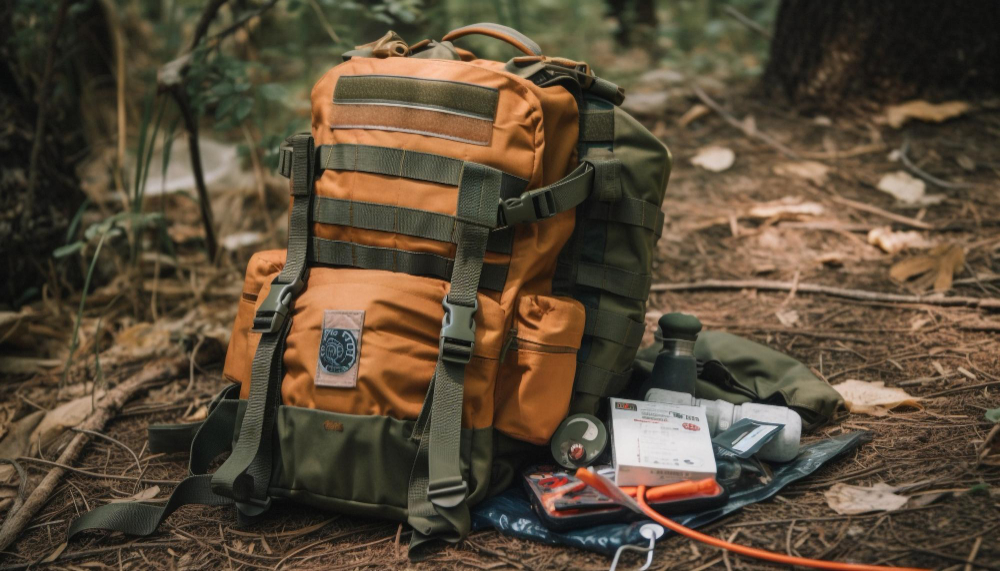
A tactical EDC backpack is a durable, organized backpack designed to carry everyday essentials while borrowing features from military, law-enforcement, outdoor, and emergency-use packs.
Unlike a conventional school or commuter backpack, tactical packs commonly feature:
- MOLLE/PALS attachment systems
- Multiple compartments
- Reinforced construction
- Heavy-duty fabrics
- Compression straps
- Padded shoulder straps
- Hydration compatibility
- Laptop or tablet compartments
- Quick-access pockets
- Hook-and-loop panels
- Weather-resistant materials
However, tactical does not automatically mean better.
For everyday carry, the goal is to find the balance between durability, organization, comfort, capacity, and appearance.
A backpack loaded with unnecessary webbing and oversized compartments can become heavy and uncomfortable. The best EDC pack is the one that supports your routine without making you carry more bag than you need.
What Is the Best Tactical Backpack for Everyday Carry?
The best tactical backpack for everyday carry depends on how much equipment you carry.
For most people, a 20–30L backpack is the sweet spot for EDC. It provides enough room for a laptop, water bottle, charger, jacket, first-aid supplies, tools, and personal items without becoming unnecessarily bulky.
Consider:
- 15–20L: Minimalist EDC and short commutes
- 20–30L: Best all-around everyday carry range
- 30–40L: Heavy EDC, work equipment, or short trips
- 40L+: Travel, extended outdoor use, or dedicated emergency gear
Current tactical backpack guides commonly recommend models ranging from compact 20-liter-class packs to much larger 50-liter-plus bags, depending on the intended role.
Best Tactical Backpacks for Everyday Carry in 2026
Rather than claiming there is one perfect backpack for everyone, it’s more useful to divide the market into different categories.
1. GORUCK GR2 — Best Premium EDC and Travel Option
The GORUCK GR2 has earned a strong reputation among people who want an extremely durable everyday backpack that can also handle travel.
Its clamshell design makes it particularly useful for organizing larger amounts of equipment. The dedicated laptop compartment and travel-friendly layout also make it suitable for people who regularly move between work, commuting, and travel.
Everyday Carry has previously selected the GR2 as its overall tactical backpack pick, highlighting its rugged construction, laptop compartment, clamshell opening, and travel-friendly design.
Best for:
- Frequent travelers
- Heavy EDC users
- Laptop carry
- People who prioritize durability
- One-bag travel
Pros:
- Extremely durable construction
- Excellent organization
- Laptop protection
- Travel-friendly design
- Built for long-term use
Cons:
- Premium price
- Heavier than minimalist backpacks
- May be more backpack than casual users need
If durability is your highest priority and budget isn’t the main concern, the GR2 is a compelling premium EDC choice.
2. 5.11 RUSH24 2.0 — Best Tactical-Style EDC Backpack
The 5.11 RUSH24 2.0 is one of the most recognizable tactical backpack designs for people who want a serious amount of storage without moving all the way into large expedition packs.
Its approximately 37-liter capacity puts it toward the larger end of everyday carry. That makes it especially attractive for people who carry more than the typical laptop-and-charger setup.
Features commonly associated with the RUSH platform include durable nylon construction, MOLLE webbing, administrative storage, and hydration compatibility. Current tactical backpack guides continue to position the RUSH24 2.0 as a strong choice for EDC and get-home applications.
Best for:
- Preparedness enthusiasts
- Heavy EDC
- Outdoor work
- Get-home equipment
- Users who want extensive MOLLE customization
Pros:
- Large capacity
- Lots of organization
- MOLLE compatibility
- Durable construction
- Strong tactical functionality
Cons:
- Large for minimalist EDC
- Tactical appearance may not suit every workplace
- Can become uncomfortable if overloaded
The RUSH24 makes sense when your everyday carry list is closer to a small equipment loadout than a basic commuter setup.
3. Maxpedition Falcon-II — Best Compact Tactical Backpack
Sometimes smaller really is better.
The Maxpedition Falcon-II is a compact tactical pack designed around a more manageable everyday size. Current guides list it at roughly 23 liters and highlight its durable construction, reinforced stress points, MOLLE/PALS webbing, and hydration compatibility.
This size is particularly useful if your typical EDC includes:
- Tablet or compact laptop
- Water bottle
- Flashlight
- First-aid kit
- Power bank
- Charging cables
- Notebook
- Light jacket
- Small tools
Best for:
- Compact EDC
- Commuters
- Outdoor users
- Vehicle EDC
- Minimalist preparedness
Pros:
- Compact footprint
- Durable construction
- Tactical organization
- Useful MOLLE space
- Good everyday capacity
Cons:
- Limited capacity for bulky equipment
- Tactical styling
- Can feel heavy when fully loaded
Bottom line: For people who want tactical durability without carrying a huge pack, the Falcon-II is worth considering.
4. Direct Action Dragon Egg MkII — Best Modular Tactical EDC
If modularity is important, the Direct Action Dragon Egg MkII deserves a closer look.
The pack is designed around a tactical layout while maintaining a relatively compact footprint. Current reviews describe it as an approximately 25-liter pack that can expand toward 30 liters, with laser-cut MOLLE panels, an internal frame sheet, and a stowable hip belt.
The laser-cut MOLLE approach can also create a cleaner appearance than traditional rows of stitched webbing.
Best for:
- Modular EDC
- Outdoor activities
- Preparedness
- Users who attach accessories
- People wanting a lower-profile tactical design
Pros:
- Modular
- Expandable
- Modern MOLLE system
- Good organization
- More understated than some tactical packs
Cons:
- More expensive than basic tactical backpacks
- Modular accessories add weight
- May be excessive for simple office EDC
Bottom line: This is an excellent category to consider if you want a tactical backpack that can change with your equipment needs.
How to Choose the Best Tactical Backpack for EDC
Buying a tactical backpack based only on appearance is one of the easiest ways to end up with the wrong bag.
Instead, evaluate these seven factors.
1. Backpack Capacity
Capacity is one of the most important specifications.
A backpack that’s too small forces you to cram equipment into every available space. A backpack that’s too large encourages you to carry unnecessary gear.
15–20 Liters
Best for minimalist EDC.
You can typically carry:
- Small electronics
- Water bottle
- Wallet and keys
- Power bank
- Notebook
- Compact first-aid kit
- Light jacket
20–30 Liters
For most people, this is the most versatile range.
You have enough room for:
- Laptop
- Charger
- Headphones
- Water bottle
- Lunch
- Jacket
- First-aid kit
- Everyday tools
- Personal items
30–40 Liters
This range works well for heavy EDC.
It’s useful if you carry:
- Larger electronics
- Camera equipment
- Work tools
- Additional clothing
- Emergency equipment
- Larger medical supplies
40+ Liters
This is usually better suited to travel, extended outdoor activities, or dedicated emergency/bug-out equipment rather than normal EDC.
Rule of thumb: Don’t choose a larger backpack simply because it gives you more space. Choose the smallest capacity that comfortably holds everything you actually carry.
2. Material and Durability
A tactical backpack needs to survive repeated use.
Common materials include nylon, polyester, and various Cordura fabrics.
You may encounter specifications such as:
- 500D nylon
- 600D polyester
- 900D polyester
- 1000D nylon
- 1000D Cordura
Higher denier numbers can indicate heavier fabric, but denier alone does not determine overall backpack quality.
Construction matters too.
Look at:
- Stitching quality
- Reinforced stress points
- Zipper quality
- Buckles
- Seam construction
- Bottom-panel reinforcement
- Shoulder-strap attachment points
A backpack can use premium fabric and still have weak stitching or poor hardware.
3. MOLLE and PALS Webbing
MOLLE is one of the defining features of many tactical backpacks.
It allows compatible pouches and accessories to be attached to the outside of the pack.
That can be useful for:
- Medical pouches
- Utility pouches
- Flashlight holders
- Water bottle carriers
- Small tool kits
- Outdoor accessories
But don’t assume more MOLLE equals a better backpack.
For everyday carry, excessive webbing can add bulk and contribute to a distinctly tactical appearance.
Ask yourself:
Will I actually use the attachment system?
If not, a cleaner backpack may be the better choice.
4. Laptop and Electronics Protection
Modern EDC is often built around electronics.
Your backpack may carry:
- Laptop
- Tablet
- Smartphone
- Power bank
- Camera
- Headphones
- Charging cables
Look for a dedicated padded laptop compartment rather than simply throwing your laptop into the main compartment.
Also check whether the laptop compartment is raised above the bottom of the bag. This can provide an additional layer of protection if the backpack is placed heavily on the ground.
5. Comfort and Load Distribution
A tactical backpack can be incredibly durable and still be terrible to carry.
Comfort becomes especially important if you walk, commute, cycle, or travel with your backpack for several hours.
Look for:
- Padded shoulder straps
- Breathable back panels
- Adjustable sternum straps
- Load lifters on larger packs
- Appropriate hip-belt support
- A well-shaped back panel
Research on backpack ergonomics shows that pack design, load placement, and the interaction between the backpack and the user can significantly influence biomechanics and energy expenditure.
For everyday use, keep the heaviest items close to your back and avoid carrying unnecessary weight.
6. Weather Resistance
You don’t necessarily need a completely waterproof backpack.
For everyday commuting, water resistance may be enough.
Look for:
- Water-resistant fabric
- Coated materials
- Weather-resistant zippers
- Covered openings
- Internal protective sleeves
If you regularly commute in heavy rain, consider whether the manufacturer offers a dedicated rain cover or whether the laptop compartment provides additional protection.
Remember that water-resistant and waterproof are not interchangeable terms.
Always check the manufacturer’s actual specifications rather than assuming a tactical-looking fabric is waterproof.
7. Organization
Organization can make or break an EDC backpack.
A good layout lets you quickly find your gear without dumping the entire bag onto a desk.
Useful compartments include:
Admin Pocket
Good for:
- Pens
- Cables
- Small tools
- Memory cards
- Flashlights
- Chargers
Main Compartment
For larger items such as:
- Clothing
- Lunch
- Books
- Jackets
- Larger equipment
Laptop Compartment
For your computer or tablet.
Quick-Access Pocket
Useful for:
- Phone
- Wallet
- Keys
- Sunglasses
The ideal organization depends on your equipment. More pockets aren’t automatically better.
Tactical Backpack vs. Regular EDC Backpack
So, should you buy a tactical backpack or a conventional everyday backpack?
Tactical Backpack
Advantages:
- High durability
- Modular attachment options
- Excellent organization
- Outdoor-friendly
- Often designed for heavier loads
Disadvantages:
- Can be heavier
- Often has a more aggressive appearance
- MOLLE may be unnecessary
- Some models are oversized for office use
Regular EDC Backpack
Advantages:
- Often lighter
- More discreet
- Better suited to offices
- Cleaner aesthetics
- Plenty of laptop-focused designs
Disadvantages:
- Usually less modular
- May have less rugged construction
- Limited external attachment options
For an office worker who carries a laptop, charger, water bottle, and lunch, a traditional commuter backpack may actually be more practical.
For someone who wants durability, modularity, outdoor capability, and preparedness features, a tactical backpack can make more sense.
How Much Should an EDC Tactical Backpack Cost?
Price varies dramatically.
Budget tactical backpacks can provide basic durability and MOLLE functionality without a premium price tag.
Mid-range packs typically offer better materials, zippers, organization, and comfort.
Premium models may focus on:
- Superior materials
- Long-term durability
- Better ergonomics
- Refined organization
- Travel functionality
- Warranty support
Instead of choosing based solely on price, consider cost per year of use.
A backpack that costs more but lasts for many years may provide better value than a cheaper pack that needs to be replaced repeatedly.
Common Tactical Backpack Mistakes to Avoid
Choosing a Backpack That Is Too Large
A giant backpack can become an excuse to carry everything.
For most EDC users, 20–30 liters is enough.
Focusing Too Much on MOLLE
MOLLE is useful when you need it.
If you never attach anything, you’re carrying a feature you don’t use.
Ignoring Weight
An empty backpack already has a weight.
Add a laptop, water, tools, chargers, clothing, and other equipment, and the total can climb quickly.
Buying Based Only on Appearance
A backpack that looks tactical isn’t necessarily durable.
Check the construction, materials, stitching, hardware, compartments, and warranty.
Overloading the Backpack
Even an excellent pack becomes uncomfortable when overloaded.
Pack strategically and remove items you don’t regularly use.
What Should You Carry in a Tactical EDC Backpack?
Your EDC should reflect your actual lifestyle rather than someone else’s gear list.
A practical setup might include:
Everyday Essentials
- Wallet
- Keys
- Phone
- Sunglasses
- Water bottle
- Notebook
- Pen
Technology
- Laptop or tablet
- Charger
- Charging cables
- Power bank
- Headphones
Preparedness
- Compact first-aid kit
- Flashlight
- Multi-tool where legally appropriate
- Emergency power source
- Small hygiene kit
Weather
- Compact rain shell
- Small umbrella
- Extra socks if necessary
Avoid filling your backpack with “just in case” equipment that you never use.
A well-designed EDC system is about preparedness without unnecessary weight.
How to Set Up Your Tactical Backpack for Faster Access
Organization should follow frequency of use.
Top Layer: Immediate Access
Keep frequently used items here:
- Phone
- Wallet
- Keys
- Sunglasses
- Small flashlight
Middle Layer: Regularly Used Gear
Place items such as:
- Charger
- Notebook
- Headphones
- Water bottle
- Small medical kit
Back Panel: Heavy Items
Keep heavier objects, such as laptops and books, close to your back when possible.
This can help keep the load stable.
Rarely Used Items
Items you rarely need can go toward the bottom.
The objective is simple:
The gear you use most should be easiest to reach.
Tactical Backpack Features That Are Actually Worth Paying For
If you’re trying to narrow down your choices, prioritize these features:
- Comfortable shoulder straps
- Durable construction
- Quality zippers
- Good internal organization
- Padded laptop compartment
- Appropriate capacity
- Weather resistance
- Strong stitching
- Useful MOLLE/PALS compatibility
- Good warranty or manufacturer support
Features that are less important include excessive patches, unnecessary webbing, oversized logos, and decorative tactical styling.
The best backpack is not necessarily the one that looks the most tactical.
It’s the one that performs the best for your specific daily routine.
Are Tactical Backpacks Good for Everyday Carry?
Yes. Tactical backpacks can be excellent for EDC because they typically prioritize durability, organization, modularity, and practical access.
However, the right model depends on your needs.
A minimalist commuter may prefer a compact 20-liter pack with a laptop sleeve.
A preparedness enthusiast may prefer a 25–30-liter modular pack.
Someone carrying substantial equipment may want a 35–40-liter pack.
The key is matching capacity and features to your actual load.
What Size Tactical Backpack Is Best for Everyday Carry?
For most people, 20–30 liters is the ideal range for everyday carry.
A 20-liter pack works well for minimalist users, while 25–30 liters provides additional room for laptops, clothing, food, water, first-aid supplies, and everyday tools.
If you regularly carry bulky equipment, 30–40 liters may be more appropriate.
Going beyond 40 liters generally makes more sense for travel, outdoor missions, or dedicated emergency equipment rather than ordinary EDC.
Are MOLLE Backpacks Good for Everyday Use?
MOLLE backpacks can be excellent for EDC when you actually need modular storage.
MOLLE allows you to customize the backpack by attaching compatible pouches and accessories.
For example, you could add a medical pouch, utility pouch, or external water bottle carrier.
However, MOLLE also adds visual bulk. If you work in a professional office environment, a low-profile backpack may be more appropriate.
How to Make a Tactical Backpack Look Less Tactical
If you like tactical functionality but don’t want a military appearance, look for:
- Minimal external MOLLE
- Neutral colors
- Low-profile branding
- Clean panel designs
- Hidden attachment points
- Civilian-style organization
- Compact dimensions
A gray-man approach can give you many of the practical benefits of tactical construction without making the backpack look like specialized field equipment.
The Bottom Line: Choosing Your Best Tactical EDC Backpack
The best tactical backpack for everyday carry isn’t necessarily the biggest, toughest, or most expensive model.
It’s the backpack that matches your actual daily load.
For most users, start around 20–30 liters. Prioritize comfort, durable materials, useful organization, laptop protection, and weather resistance. Add MOLLE only if you’ll genuinely use it.
If you want premium durability and travel capability, the GORUCK GR2 is a strong category leader. If you want a larger, highly tactical platform, the 5.11 RUSH24 2.0 is worth considering. For a more compact setup, the Maxpedition Falcon-II offers a smaller footprint, while the Direct Action Dragon Egg MkII stands out for modularity. These picks reflect different use cases rather than a single one-size-fits-all winner.
Most importantly, don’t buy a tactical backpack because it looks impressive.
Buy it because it makes your everyday carry easier, more organized, and more dependable.
Before purchasing, write down everything you actually carry for a normal week. Measure your laptop, estimate your total gear volume, decide how much MOLLE you genuinely need, and then choose the smallest comfortable backpack that can handle the load.
That’s how you turn a tactical backpack from another piece of gear into a genuinely useful everyday-carry system.
Ready to upgrade your EDC? Compare backpacks based on capacity, comfort, construction, organization, and real-world use—not marketing claims—and choose the pack that fits your daily routine.